PBL2025 International Conference

PBL AND ACTIVE METHODOLOGIES FOR A MORE INCLUSIVE AND EQUITABLE WORLD

Belo Horizonte, Brazil | October 29, 30, 31, and November 1, 2025

Why active methodologies, inclusion, and equity?

The PANPBL Association of Problem-Based Learning and Active Learning Methodologies, the foremost international interdisciplinary network dedicated to advancing research on active learning methodologies, with 25 years of experience, has joined forces with the Pontifical Catholic University of Minas Gerais (PUC MINAS), a benchmark for academic excellence in Brazil with a distinguished 67-year history, to host the International Conference PBL2025.

Supported by the Research Center for New Pedagogical Architectures at the University of São Paulo, this collaboration has resulted in a conference that will explore how PBL and active learning methodologies can foster inclusion and equity within academic and school environments. Given that student agency is a fundamental principle of this learning model, its application in educational settings promotes diversity and nurtures respect for differences in teaching and learning relationships. Furthermore, empowering individuals to take an active role in society contributes to fostering engaged citizenship, ultimately working towards a more sustainable, compassionate, fair, and fulfilling world.

Under the theme “Active Methodologies for a More Inclusive and Equitable World,” the International Conference PBL2025 seeks to stimulate discussions, facilitate the exchange of experiences, and equip students and educators of all levels with knowledge on active learning themes and methodologies to elevate the quality of education.

The conference will cover a broad spectrum of teaching and learning models, including Problem-Based Learning, Project-Based Learning, Team-Based Learning, Design Thinking, the Maker Movement, Case Studies, Concept Mapping, Flipped Classrooms, and the integration of technologies and multiple languages across diverse fields of study and educational levels.

Bring your expertise, share your insights, and be part of the International Conference PBL2025!

PROGRAM

The PBL2025 International Conference will feature a structure based on the principles of both conservation and transformation. On one hand, it will maintain traditional conference formats, such as poster sessions, oral presentations, and keynote addresses by renowned international experts in the field. On the other hand, it will introduce innovative approaches to structuring interactions, exchanges, and learning among participants, in alignment with the objectives of active learning methodologies. The conference will offer a wide range of workshops, sessions held outside conventional conference spaces, and other novel formats.

The conference will be trilingual (English, Portuguese, and Spanish), meaning that sessions may be conducted in any of the three official languages, which will be specified in the program. Main sessions will include simultaneous translation.

The proposed session formats for the conference include:

  • Invited speakers (national and international)
  • Symposia (national and international)
  • Oral presentations of research and practices
  • Interactive poster presentations and/or prototypes
  • Lounge sessions (informal interactions between speakers and participants)
  • Thematic invited workshops (national and international)
  • AUTHENTIC PBL – Immersive PBL Workshops in real-world settings

keynote speakers

Renate Fruchter Stanford University

(USA)

Michael Rowe University of Lincoln

(United KIngdom)

Ulisses Aaraujo Sao Paulo University

(Brazil)

Invited Speakers

Paulo Blikstein Columbia University

(USA)

Anette Kolmos Aalborg University

(Denmark)

Dora Kaufman PUC-SP

(Brazil)

Diana Dolmans University of Maastricht

(Netherlands)

Krista Glazewski North Carolina State University

(USA)

Lilian Bacich Tríade Educacional

(Brazil)

Samson Tan Institute for Adult Learning

(Singapore)

Woei Hung University of North Dakota

(United States)

Carolina Costa Cavalcanti Fundação Dom Cabral

(Brazil)

Mark Serva University of Delaware

(United States)

Fei Jiang Northeast Normal University

(China)

Luis Bretel International Institute for a Quality Education

(Peru)

Paulo Marcondes Educater

(Brazil)

Glen O'Grady RMIT University

(Vietnam)

Valéria Arantes Universidade de São Paulo

(Brazil)

Viviane Pinheiro Universidade de São Paulo

(Brazil)

Adelina de La Fuente PUC Minas

(Brazil)

Carlos Vega Universidad Autonoma del Occidente

(Colombia)

Gilliatt Falbo Faculdade Pernambucana de Saúde

(Brazil)

Rodrigo Villamarim PUC Minas

(Brazil)

Adriana Tonini ABENGE

(Brazil)

Alexandre Magno Diniz PUC Minas

(Brazil)

Sandro Jerônimo PUC Minas

(Brazil)

Marcos Kutova PUC Minas

(Brazil)

Wan Ying Tay Singapore University of Social Sciences

(Singapore)

Carlos Roberto Juliano Longo Universidade Católica de Brasília

(Brazil)

Paulo Emílio de Castro Andrade NAP-USP e Instituto iungo

(Brazil)

Alexandre Sampaio Moura Faculdade Santa Casa BH

(Brazil)

Gisele do Carmo Leite Machado Diniz PUC Minas

(Brazil)

Laura Hamdan de Andrade PUC Minas

(Brazil)

Lauro Soares de Freitas PUC Minas

(Brazil)

Rodrigo Fortini Boschi PUC Minas

(Brazil)

Sara Pimenta Resende PUC Minas

(Brazil)

Alcielle dos Santos CEPId - PUC/SP e Instituto iungo

(Brazil)

Renata Alencar Instituto Iungo

(Brazil)

Talize Melo IEC PUC Minas e Instituto Iungo

(Brazil)

David Moises Barreto dos Santos Universidade Estadual de Feira de Santana

(Brazil)

Marco Paulo Soares Gomes PUC Minas

(Brazil)

Rejane Cantoni

(Brazil)

Tereza Perez Roda Educativa

(Brazil)

Kelly Gomes Universidade do Estado do Amapá

(Brazil)

Juliene Ferreira Tampere University

(Finland)

Lea Sulmont Universidad Peruana de Ciencias Aplicadas

(Peru)

Rosina Pérez Universidad Católica de Uruguay

(Uruguay)

Henrik Worm Routhe Aalborg University

(Denmark)

Herco Fonteijn University of Maastricht

(NED)

Reinhold Steinbeck Santa Clara University

(USA)

Marco Antonio Morgado Universidade de São Paulo

(Brazil)

Danny Zahreddine PUC Minas

(Brazil)

PBL2025 International Conference

Conference Schedule at a Glance

Quarta-feira • 29/10
14h - 18hPBL Autêntico
Quinta-feira • 30/10
8h - 9hCerimônia de Abertura
09h - 10hConferência I
10h - 10h20Intervalo - Posters
13h30 - 12hBloco de Sessões IPanéis
Louge
Apresentações Orais
12h - 13h50Almoço
14h - 15h30Bloco de Sessões IIPanéis
Louge
Apresentações Orais
15h30 - 15h50Intervalo - Posters
16h - 17h30Bloco de Sessões IIIPanéis
Louge
Apresentações Orais
Sexta-feira • 31/10
90h - 10hConferência I
10h - 10h20Intervalo - Posters
13h30 - 12hBloco de Sessões IPanéis
Louge
Apresentações Orais
12h - 13h50Almoço
14h - 15h30Bloco de Sessões IIPanéis
Louge
Apresentações Orais
15h30 - 15h50Intervalo - Posters
16h - 17h30Bloco de Sessões IIPanéis
Louge
Apresentações Orais
Sábado • 01/11
9h - 10hConferência I
10h - 10h20Intervalo - Posters
10h30 - 12hBloco de Sessões IIPanéis
Louge
Apresentações Orais
Cerimônia de Encerramento

Guidelines

PRESENTATION FORMAT

For the conference presentations there are different formats. A brief description of the presentation formats is:

AP – RESEARCH AND EXPERIENCES PAPER PRESENTATIONS
Oral presentations are reports on research and/or the implementation and application of PBL or Active Learning Methods. They are organized into three or four individual presentations in a 90-minute session, with 30 minutes reserved for interaction between the presenters and the audience.
Each paper will have 12 to 15 minutes to be presented, and digital tools such as PowerPoint, Canva, or Prezi may be used, or even orally without digital resources. There is no pre-established format due to the diversity of knowledge areas at the event.
At the end of the presentations, with at least 30 minutes available, the session moderator will open the session for questions from the audience and discussion among the presenters.

PO – INTERACTIVE POSTER PRESENTATIONS
Posters are visual and graphic representations. Posters will focus on research and/or the implementation and application of PBL or Active Learning Methods and will be presented in a group session per knowledge track.
Posters will be digital and must be sent to the conference email pbl2025bh@gmail.com by October 24th, with the following characteristics:
– Produced in MS/PowerPoint with dimensions of 11 cm wide x 19 cm high, with a suggested font size of 16 for titles and 12 for text.
– After creating the poster and saving it to your computer in PPT format, save it as a JPG or JPEG image.
– Send it as an image to pbl2025bh@gmail.com
Posters will be available for viewing by the conference audience a few hours before the session, and during the conference coffee break, there will be a public interactive session. Each author will have 2 minutes to present their work (in a Pitch format) and, subsequently, the session Moderator will promote a discussion between the authors and the audience present.

PD – PANEL DISCUSSION
Panel Discussions are 90-minute sessions comprised of 3 to 5 experts who address a common theme or topic in PBL or another Active Learning Method.
At the beginning of the session, each panelist will have five minutes to present their initial thoughts on the topic in question, with or without the use of digital resources. Following questions from the session moderator, a discussion will ensue among the panelists. At the end of the session, the audience is invited to participate in the debate by asking questions to the panelists.

CO-CONFERENCE
The Conferences are led by invited experts, who deliver their thematic presentation for 40 minutes, followed by a Q&A session with the audience.

SL – LOUNGE
In Lounge Sessions, participants meet more informally with experts, keynote speakers, and other guests. The space for these sessions is smaller and more intimate. Speakers are encouraged to engage in dialogue or Q&A with participants on the topics announced in the title. Pre-registration is required, and English sessions will have consecutive translation.

EA – AUTHENTIC PBL EXPERIENCE
This involves investigating and solving real problems, applying knowledge to a real context or community, and producing high-quality results for a real audience, as the work can be used, disseminated, or have a direct impact on the world. Authenticity is achieved through an engaging challenge, a connection with the outside world (partnerships with the community, experts), and a tangible and valuable outcome beyond the classroom. This activity is voluntary and will take place during the pre-conference, with prior registration required.

DEADLINES

SubmissionsMarch 19 to May 20, 2025
Announcement accepted proposalsJune 15, 2025
Start of Early-bird registrationJuly 1, 2025
End of Early-bird registrationSeptember 15, 2025
Regular registrationSeptember 16 to October 29, 2025
ConferenceOctober 29 to November 1, 2025

PERSPECTIVES

  • Problem-, Project-, Challenge- and Team-Based Learning

  • Construction of Engaging Problems

  • Hands-on and Learn-by-doing

  • Assessment and evidence-based

  • Active Digital Technologies and Media

  • Design Thinking

  • STEAM

  • Artificial Intelligence

  • Maker Spaces

  • Concept Mapping

  • Case study

  • Philosophy and Theory of PBL (Project-Based Learning) and Active Learning

  • Creative Learning

LANGUAGES

Papers can be submitted and presented in any of the three official languages of the congress: English, Portuguese, and Spanish.

TRACKS

  • Health and Medicine

  • Social Sciences and Humanities

  • Engineering and Applied Sciences

  • Teaching Education (Higher and Basic)

  • Professional Development

  • Digital education

  • Classroom experiences of students from basic or higher education

CONFERENCE PROCEEDINGS - ISSN 2177-0506

CALL FOR THE PROCEEDINGS

Authors of abstracts accepted by the scientific committee of the PBL2025 International Conference (oral presentation and poster presentation) are invited to submit a full paper of up to twelve pages, for the conference proceedings. This submission will open on this page from October 10 to October 20, 2025.

1) One reviewer will verify papers for language and form. If accepted, it will be published in the proceedings, with ISSN 2177-0506, subject to the conference registration of at least one of the authors.

Guidelines for Full Paper
• Limit of characters (with space): 30.000,
• Pages: 8-12 pages, including tables, graphs, frames, figures, and references.
• Page format: page number on the bottom right.
• Margins: 3 cm top and left, 2 cm right and bottom.
• Row spacing: 1.5.
• Font: Times New Roman, Size 12.
• Quotations and references should follow the APA Stile.

ORGANIZATION

PANPBL Association

The PAN-PBL Association: Problem-Based Learning and Active Learning Methodologies is a nonprofit professional organization with an organizational, philanthropic, supportive, promotional, recreational, and educational nature. It operates without political party affiliations and aims to support individuals with similar objectives, regardless of their social class, nationality, gender, race, color, or belief.

Institutionalized in Delaware (USA) in 2019, the PANPBL Association was established in accordance with U.S. law, which permits corporations to focus on scientific, educational, literary, religious, or charitable purposes. It was founded as a membership-based corporation.

PUC Minas

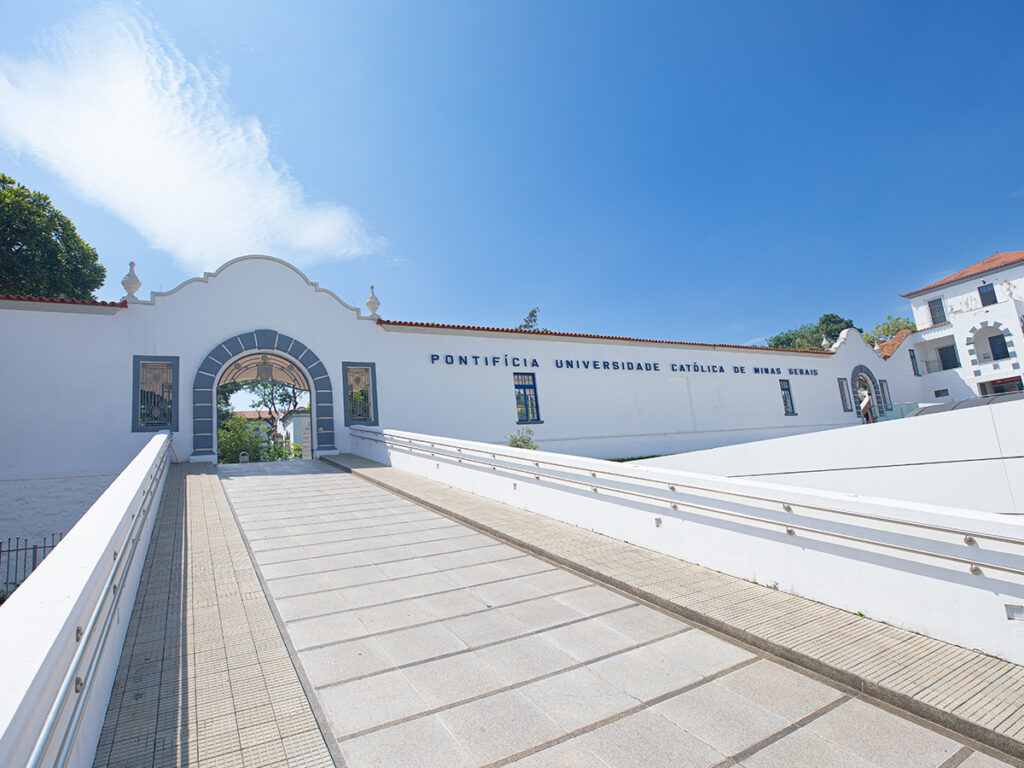
PUC Minas serves approximately 40,000 undergraduate students, 34,000 postgraduate students (in specialization, master’s, and doctoral programs), and employs 4,600 faculty and staff across its campuses. The university offers more than 80 undergraduate courses, 15 master’s programs, 13 doctoral programs, and around 600 specialization courses. PUC Minas has campuses in Belo Horizonte (Barreiro, Coração Eucarístico, Lourdes, São Gabriel), Betim, Contagem, Poços de Caldas (South), and Serro (High Jequitinhonha).

International Committee of PAN-PBL

  • Ulisses Araujo, President of PAN-PBL, University of Sao Paulo (Brazil)
  • Diana Dolmans, Maastricht University (Netherlands)
  • Glen O’Grady, RMIT University (Vietnam)
  • Mark Serva, Secretary of PAN-PBL, University of Delaware (United States)
  • Samson Tan, Institute for Adult Learning (Singapore)
  • Woei Hung, Treasurer of PAN-PBL, University of North Dakota (United States)
  • Anette Kolmos, Aalborg University (Denmark)
  • Luis Betel, International Institute for Quality Education (Peru)
  • Paulo Marcondes, Educater (Brasil)

SUPPORT

NAP USP

The Research Center for New Pedagogical Architectures (NP-NAP) at the University of São Paulo is dedicated to fostering studies, research, and interventions aimed at reinventing education and the pedagogical processes intrinsic to teaching and learning relationships, across all levels and modalities.

PARTNERS

sponsorship

official registration platform

institutional support

DIAGNOSIS

Registration

CLIck here to register 

Questions about registration, please e-mail: pbl2025bh@gmail.com

TYPE OF REGISTRATION – Registration rates are based on the World Bank Gross National Income (WB-GNI) Levels. Select your registration rate based on your country of residence. Click here to find out your registration category.

Among the High-Income economy countries, we highlight: Andorra, Australia, Austria, Belgium, Bermuda, Canada, Chile, Croatia, Denmark, Finland, France, Germany, Greece, Iceland, Ireland, Israel, Japan, Korea, Netherlands, New Zealand, Norway, Poland, Portugal, Puerto Rico, Russian Federation, Singapore, Italy, Spain, Sweden, Switzerland, United Kingdom, United States, Uruguay.

Among the Lower-Income economy countries, we highlight: Argentina, Brazil, Bolivia, China, Colombia, Costa Rica, Cuba, Ecuador, Mexico, Peru, South Africa, and Venezuela.

EARLY-BIRD TICKETS – are available at a discount rate until September 15, 2025. After September 16, 2025, tickets will be available at the regular rate through the conference.

FULL REGISTRATION INCLUDES – attendance to every activity during the Conference, five coffee breaks, and the Conference proceedings.

At the time of registration, you will be asked to attach some proof that you are registering in the correct category.


REGISTRATION CATEGORIES
Early registration
Standard
registration fee
1st Batch
(From July 1st; until September 15th)
2nd Batch
(As from September 16th)
1) Fee for participants from high-income countries ¹R$ 1.800R$ 1.980R$ 2.200
2) Fee for participants from low-income countries ¹R$ 990R$ 1.200R$ 1.380
3) Fee for teachers and managers of public basic education institutions in high-income countries and for undergraduate students of public or private higher education institutions in high-income countries ¹R$ 900R$ 1.080R$ 1.320
4) Fee for teachers and managers of public basic education institutions in low-income countries and for undergraduate students of public or private higher education institutions in low-income countries ¹R$ 650R$ 720R$ 900
5) Fee for undergraduate and graduate students with approved papers at the event, upon presentation of proof of enrollment or a declaration signed by the Program Coordinator or the Academic Office of the Higher Education Institution.R$ 590R$ 720R$ 900
6) Fee for graduate students without approved papers, upon presentation of proof of enrollment or a declaration signed by the Program Coordinator or the Academic Office of the Higher Education Institution.R$ 790R$ 990R$ 1.200

EARLY REGISTRATION is available at a discounted rate in two phases: the first until August 31 and the second until September 15. After this date, registration will only be available at the standard conference rate.

¹ TYPE OF REGISTRATION – Registration rates are based on the World Bank Gross National Income (WB-GNI) Levels. Select your registration rate based on your country of residence.
² Early registration promotional fee valid for the first 50 enrolled undergraduate and postgraduate students.
³ Early registration fee valid for undergraduate and postgraduate students starting from the 51st enrollee.

FULL REGISTRATION INCLUDES: A bag with materials and program, access to all conference activities, five coffee breaks, and the conference proceedings.
At the time of registration, you will be asked to attach some proof that you are registering in the correct category.
Among the High-Income economy countries, we highlight: Andorra, Australia, Austria, Belgium, Bermuda, Canada, Chile, Croatia, Denmark, Finland, France, Germany, Greece, Iceland, Ireland, Israel, Japan, Korea, Netherlands, New Zealand, Norway, Poland, Portugal, Puerto Rico, Russian Federation, Singapore, Italy, Spain, Sweden, Switzerland, United Kingdom, United States, Uruguay.
Among the Lower-Income economy countries, we highlight: Argentina, Brazil, Bolivia, China, Colombia, Costa Rica, Cuba, Ecuador, Mexico, Peru, South Africa, and Venezuela.

Cancellation and refund policy for registration fees:
Fees paid by September 15th will receive a 70% refund. After 9/15 you will receive a 50% refund.

GENERAL INFORMATION

HOW TO REACH PUC MINAS

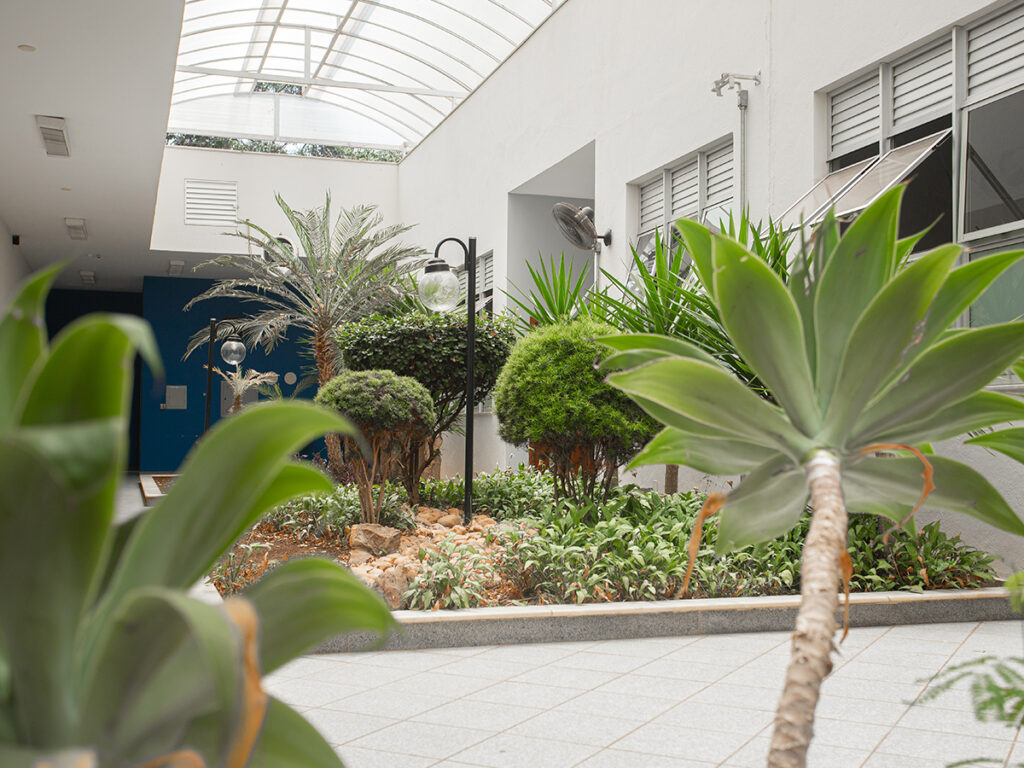
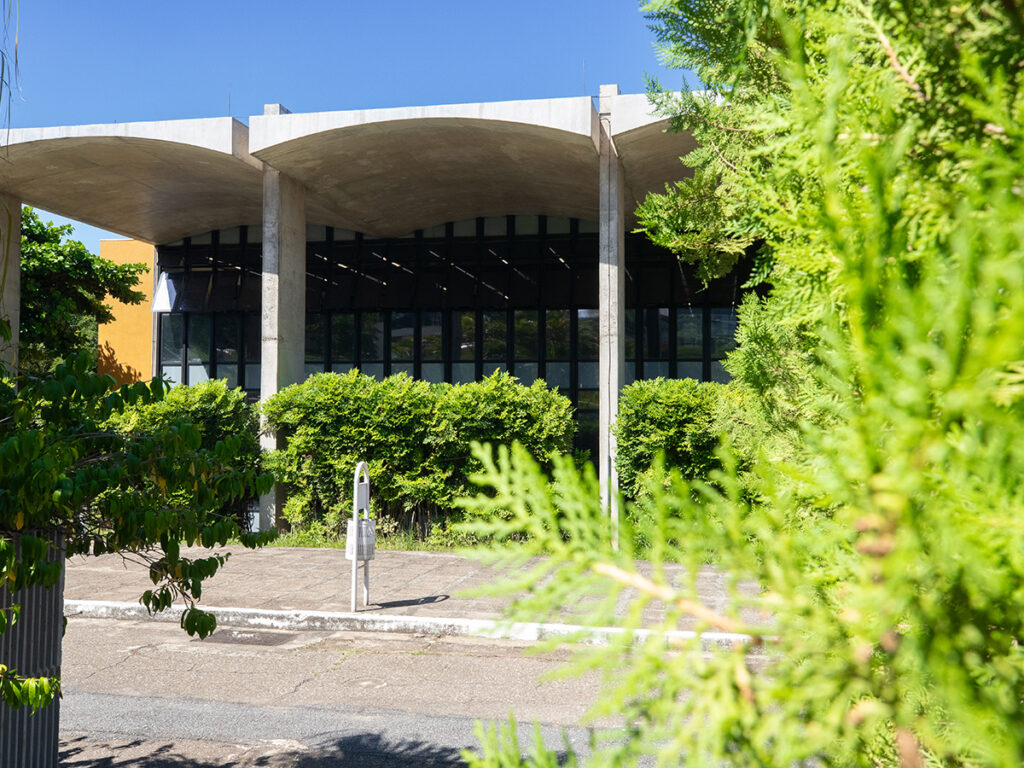
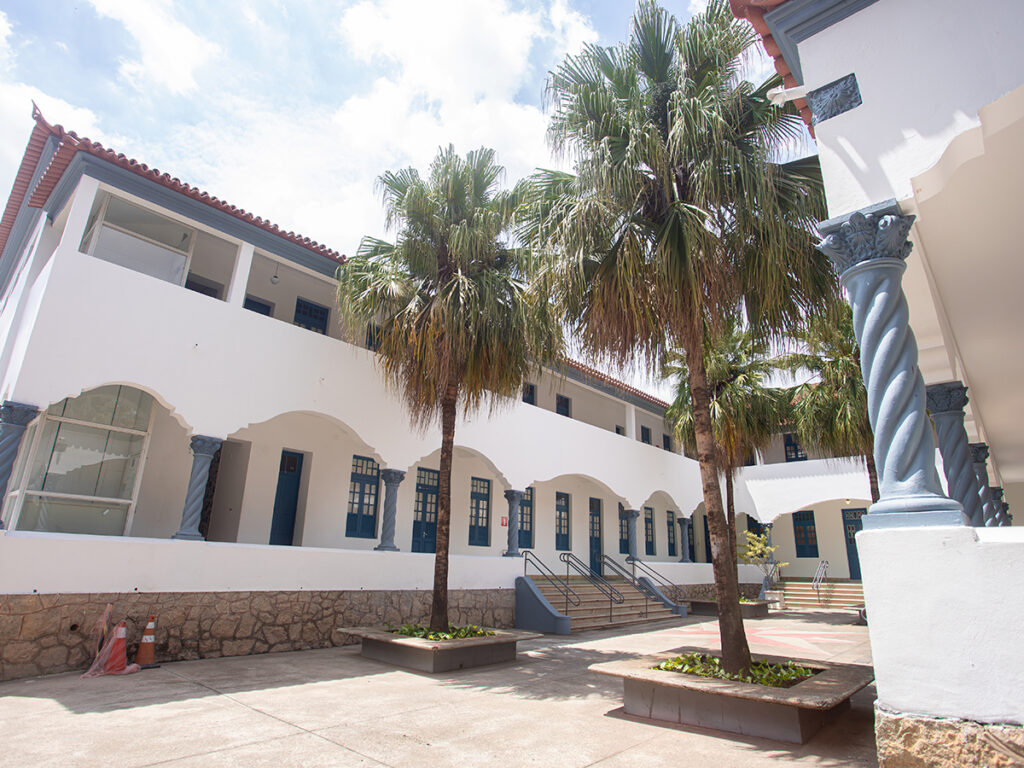
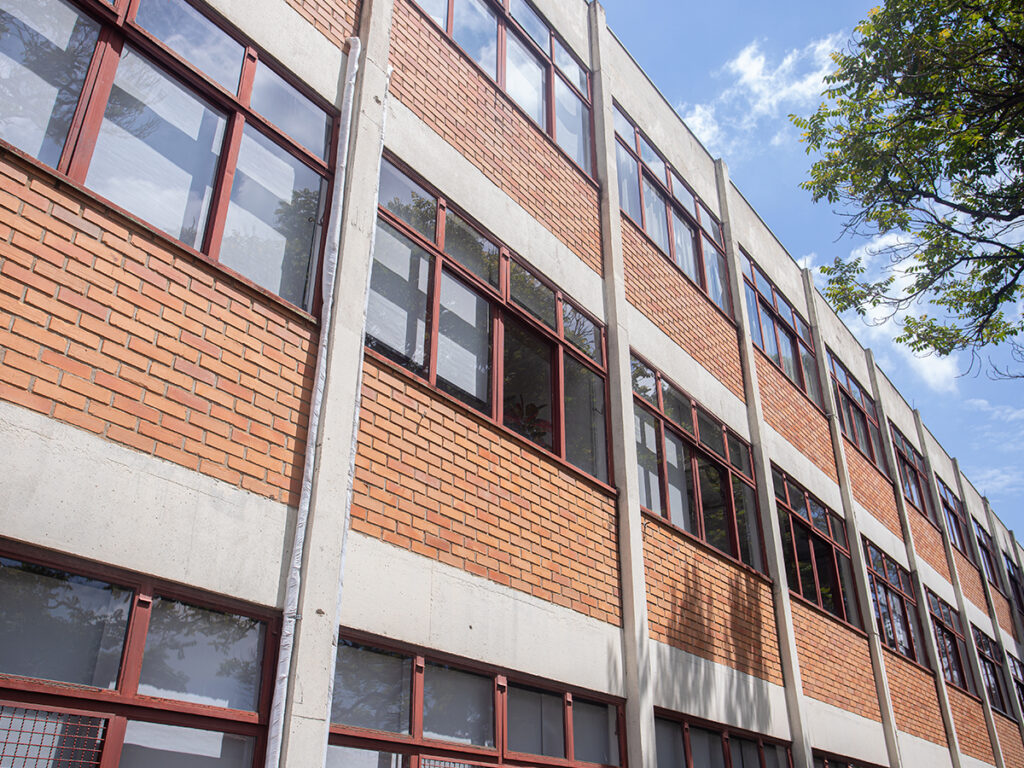
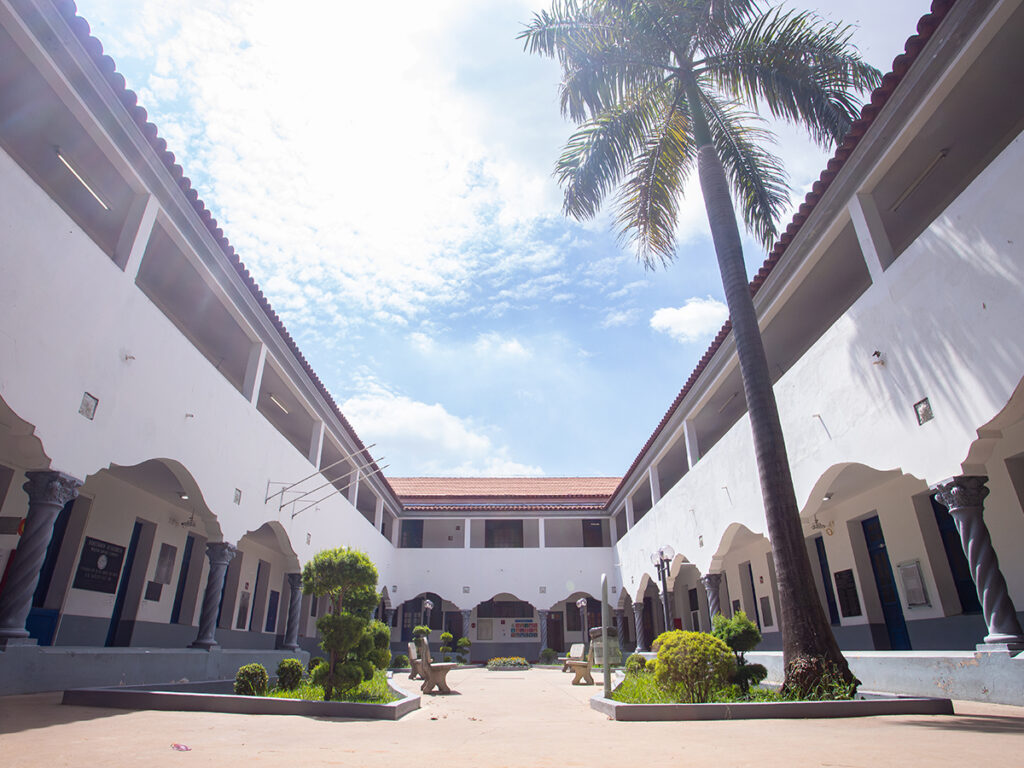
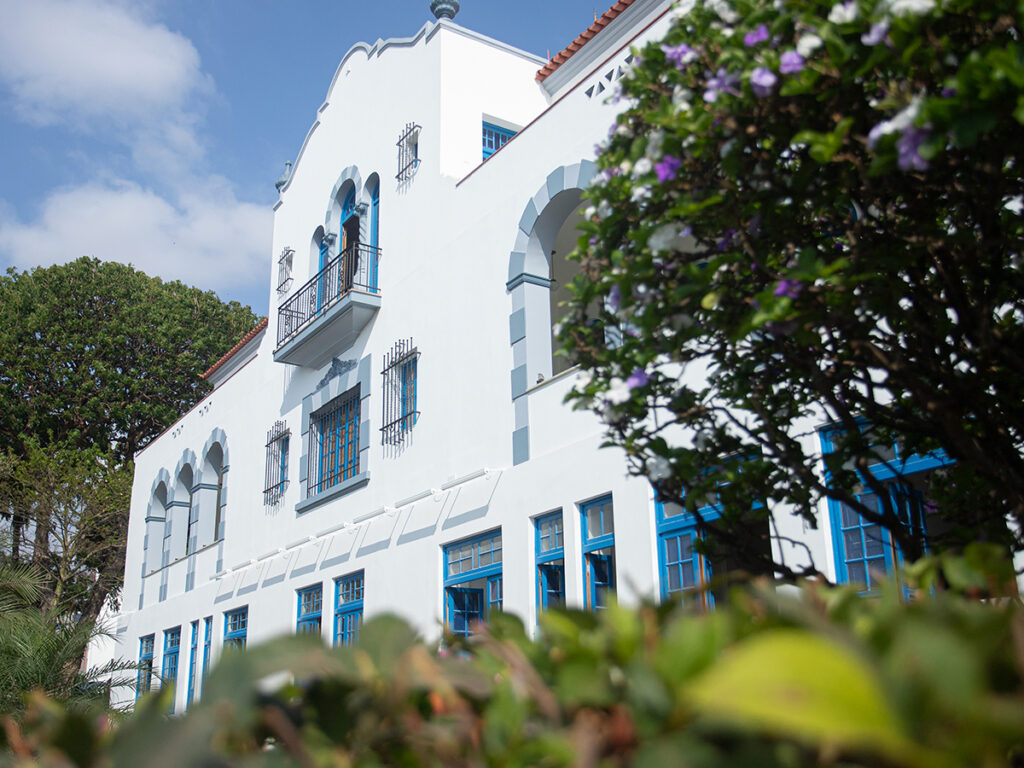
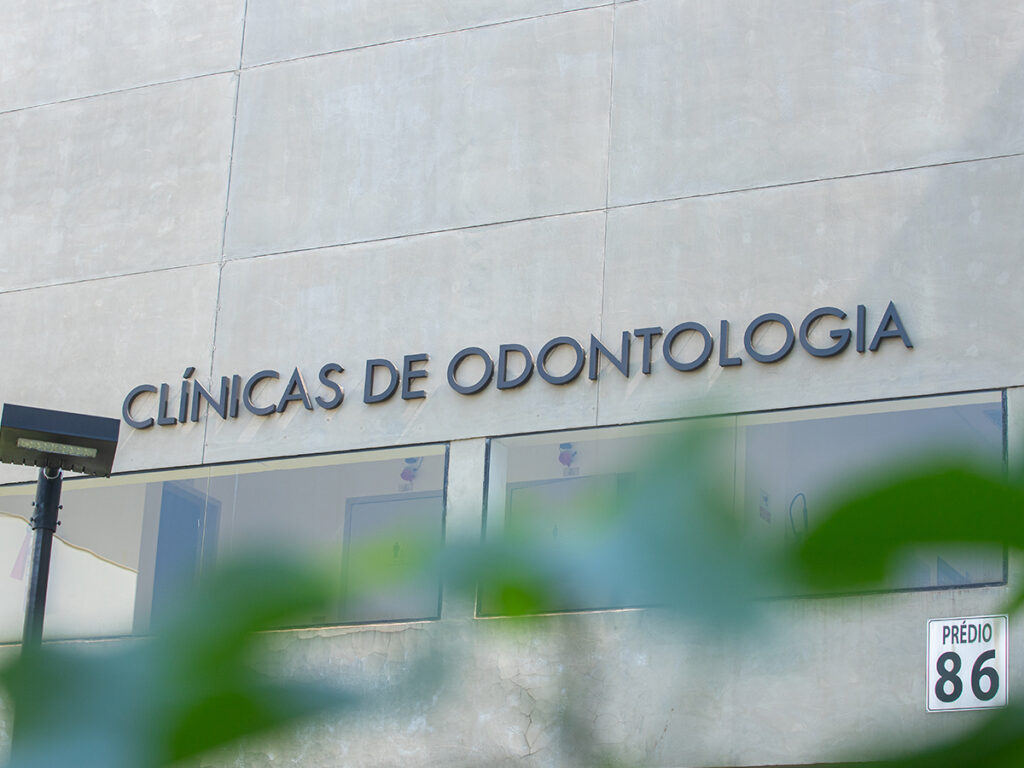
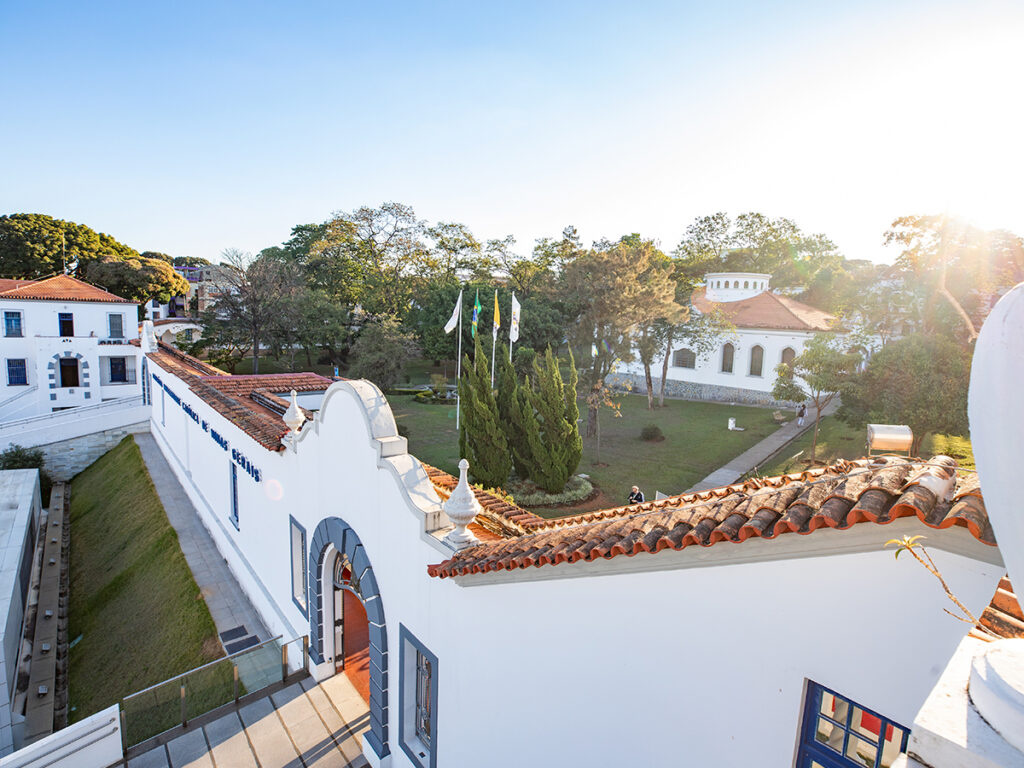
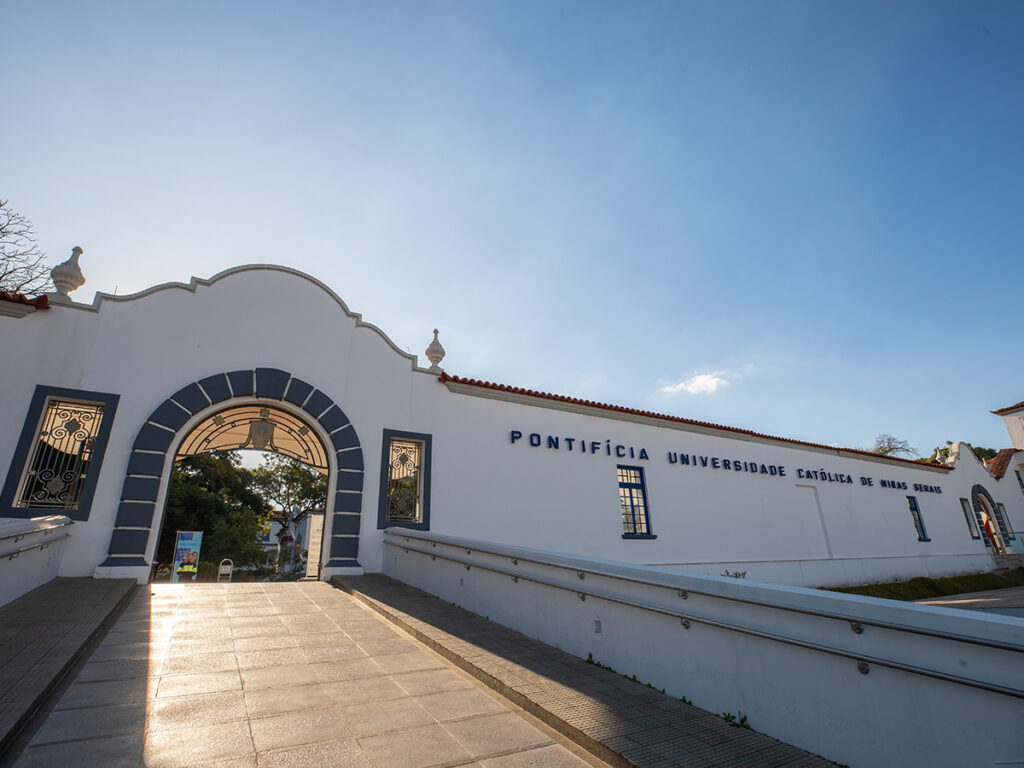
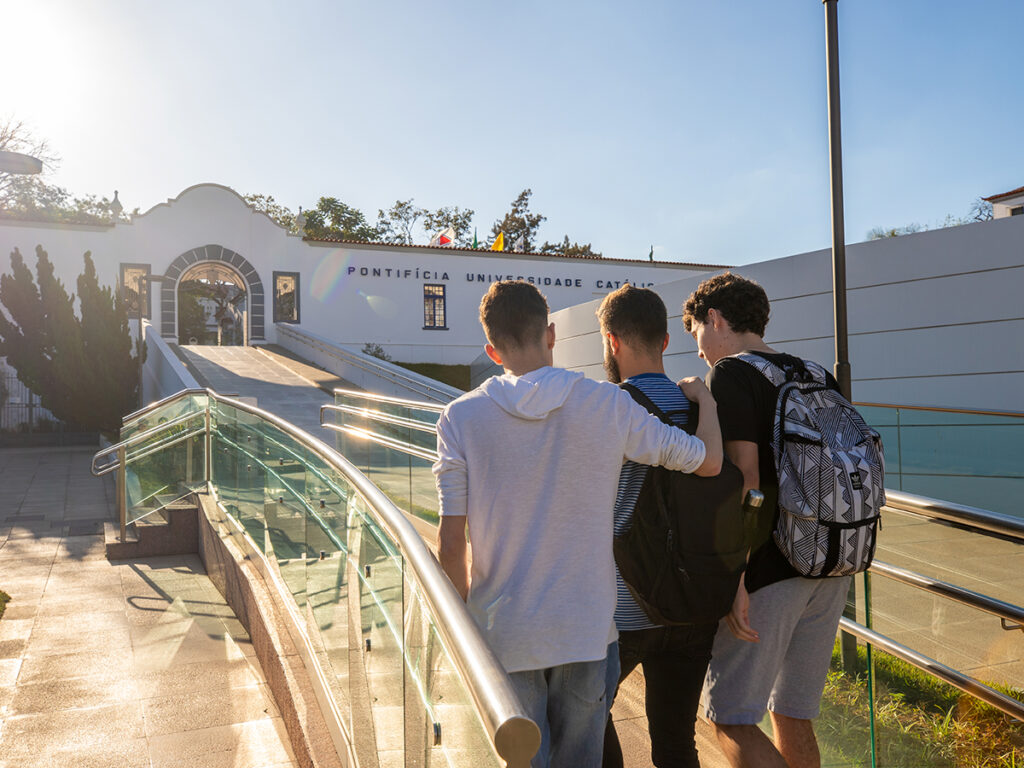
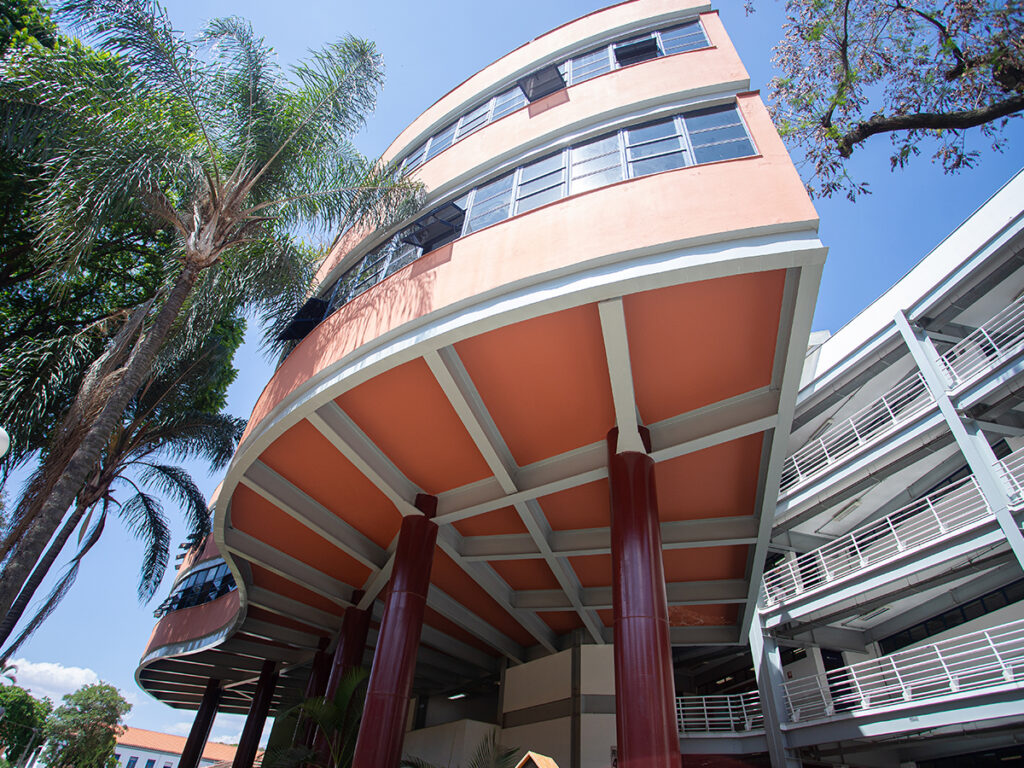
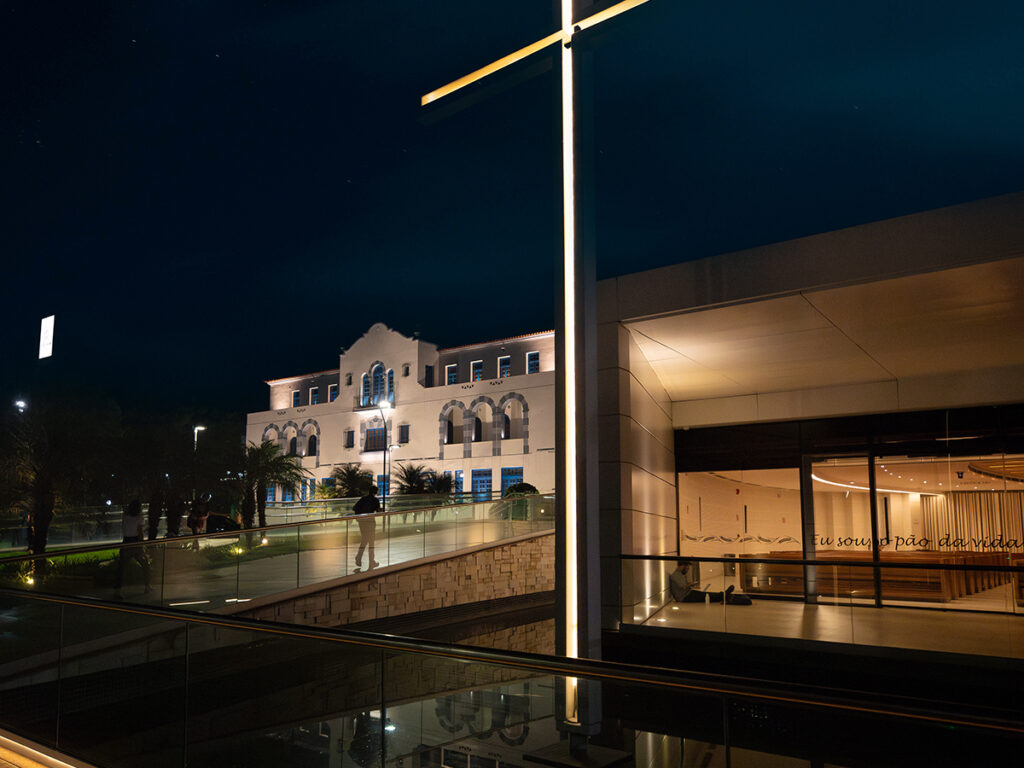
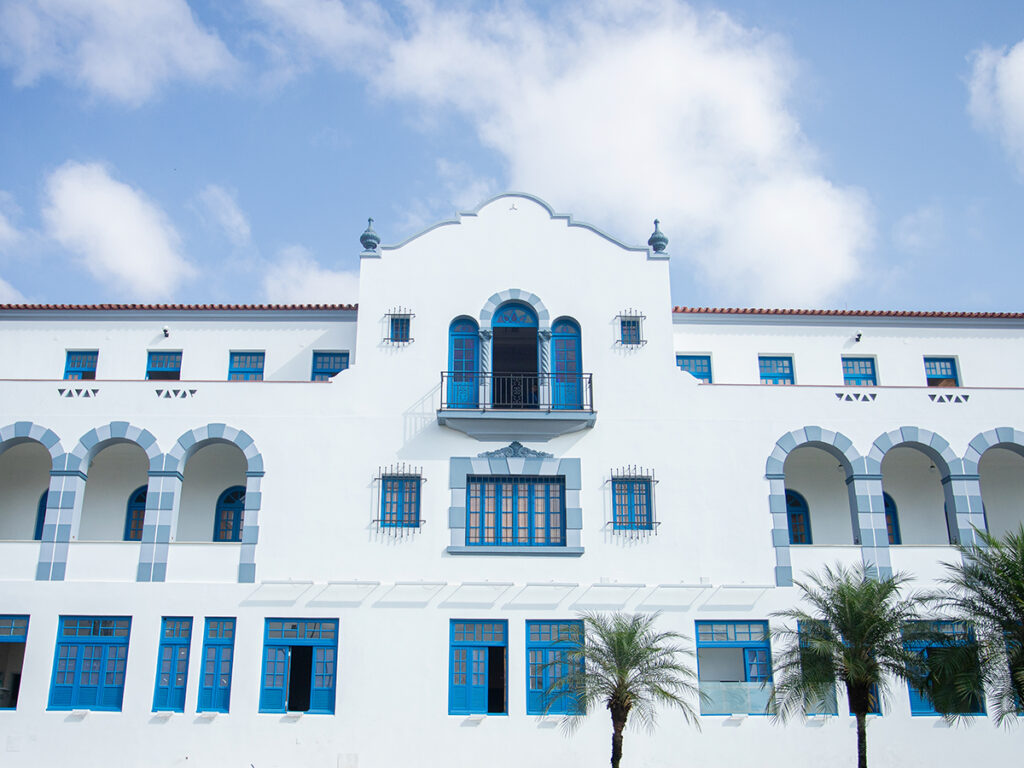
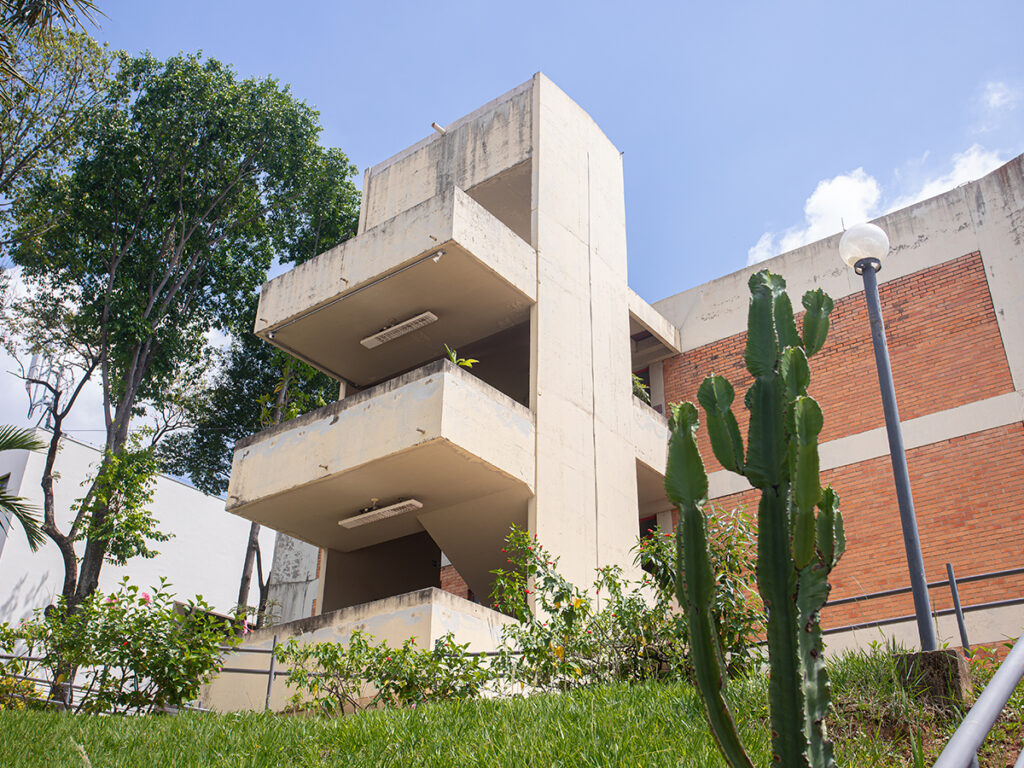
The PBL2025 International Conference will be held at the Coração Eucarístico Campus of PUC Minas, located at Avenida Dom José Gaspar, No. 500, in the Coração Eucarístico neighborhood, in the northwest region of Belo Horizonte.

Just 8 km from the city center and the Savassi area, the campus is easily accessible by car from any part of Belo Horizonte. Additionally, it is only 700 meters from the Gameleira Metro Station and is well-connected by multiple bus lines, ensuring convenient transportation for attendees.

Belo Horizonte

Belo Horizonte, the capital of Minas Gerais, is a dynamic city that seamlessly blends modernity, nature, and a rich cultural heritage. Surrounded by mountains, it boasts beautiful green spaces like the Municipal Park, Pampulha Lagoon, and Mangabeiras Park, as well as iconic squares such as Praça da Liberdade and Praça do Papa.

The city is a hub of cultural activity, featuring venues like the Palace of Arts and the Liberdade Circuit, as well as the Central Market, where visitors can experience the unique traditions of Minas Gerais. The architecture mixes historical landmarks with contemporary design, with a special emphasis on the Pampulha Architectural Complex, designed by Oscar Niemeyer.

Belo Horizonte’s culinary scene is a major draw, earning it the title of the “Bar Capital.” Traditional “botecos” (local bars) serve delightful dishes like pork cracklings, pão de queijo (cheese bread), and artisanal cachaça, all in a warm, welcoming atmosphere that reflects the hospitality of the city.

The areas surrounding Belo Horizonte offer several must-see destinations. The Inhotim Institute in Brumadinho is one of the largest open-air museums globally, blending contemporary art with lush botanical gardens. Its interactive installations and breathtaking landscapes create a one-of-a-kind experience for visitors.

Nearby historical towns such as Ouro Preto, Mariana, and Tirandentes preserve the charm of Minas Gerais Baroque architecture, offering a glimpse into Brazil’s colonial past. Ornate churches, cobbled streets, and museums immerse visitors in local culture and the rich history of Brazil.

For nature lovers, Belo Horizonte is surrounded by stunning ecotourism options. Serra do Cipó National Park is renowned for its waterfalls, hiking trails, and dramatic rock formations, while Serra da Moeda is a popular spot for paragliding and hiking. These natural wonders provide unforgettable experiences for those seeking adventure or simply a peaceful connection with nature.

Belo Horizonte is a city full of charm, culture, and gastronomic delights. Whether you’re exploring nature, enjoying its vibrant culinary scene, or diving into its cultural offerings, the city and its surroundings always have something special to offer.
Welcome to Belo Horizonte!

TRANSPORTATION – Getting to Belo Horizonte

Belo Horizonte International Airport (Confins – CNF): The main entry point for the city, welcoming direct flights from several major Brazilian cities, as well as some international destinations and numerous global connections, including South America, North America, and Europe.

Flight times:

  • From São Paulo or Rio de Janeiro: approximately 1 hour
  • From Brasília: about 1.5 hours
  • From South American cities like Buenos Aires and Santiago: between 3 to 4 hours
  • From Europe or the United States (with connections): between 10 to 14 hours

Airport transportation: Belo Horizonte International Airport (Confins) is about 40 kilometers from the city center. There are various transport options available:

  • Taxis and ride-sharing apps: Uber, 99 and licensed taxis provide direct service to the city center and other areas.
  • Executive buses: Conexão Aeroporto (https://conexaoaeroporto.com.br/) operates comfortable buses linking the airport to the central bus station and Savassi area.

Official Hotel of PBL2025

eSuites Virginia Luxemburgo
Rua Gentios, 274 – Luxemburgo – Belo Horizonte, Minas Gerais

Brasil

WEATHER AND CLOTHING

October marks spring in Brazil, and rainfall is common in Belo Horizonte. It is advisable to bring an umbrella. Temperatures typically range from 20°C to 30°C.

PASSPORTS AND VISAS

Participants should contact their nearest Brazilian embassy or consulate, or a travel agency, for information about passports and entry visas for Brazil. Citizens from Mexico, the United States, and Canada need an entry visa, while citizens from European Union and South American countries are generally exempt from visa requirements.

CURRENCY

The Brazilian currency is the Real (plural: Reais) = R$. (On 03/20/2025, 1 USD = R$ 5.65; 1 EUR = R$ 6.13). For current exchange rates, visit www.xe.com. Major credit cards such as Visa, Mastercard, Diners, and American Express are widely accepted.

LOCATION

PUC Minas

With over six decades of excellence, PUC Minas stands as one of Brazil’s top private universities. It boasts a distinguished faculty of 1,500 professors and a dedicated staff of 2,900 professionals, serving seven campuses across Minas Gerais, including Belo Horizonte, Betim, Contagem, Poços de Caldas, and Serro.

Recognized by the Congregation for Catholic Education of the Vatican as the world’s largest Catholic university, PUC Minas provides outstanding academic opportunities to approximately 80,000 students enrolled in undergraduate and postgraduate programs. It is the only private institution in Minas Gerais ranked among the world’s leading universities by Times Higher Education and has been honored six times as the best private university in Brazil by Guia do Estudante, a publication of Editora Abril.

The university offers cutting-edge laboratories and state-of-the-art infrastructure, enabling students to gain practical experience using industry-standard equipment. However, one of PUC Minas’ defining attributes is its unwavering commitment to a humanistic approach to higher education, ensuring academic excellence alongside personal development.

PUC Minas is also a leader in internationalization, implementing a strategic policy that fosters global engagement in teaching, research, and outreach. With over 150 agreements with higher education institutions worldwide, the university actively participates in multiple international cooperation networks in education.

In the realm of research, students have access to scientific initiation projects from their undergraduate years, fostering innovation and discovery. Additionally, the university’s extensive outreach initiatives extend beyond its campuses, benefiting communities throughout Minas Gerais and across Brazil.